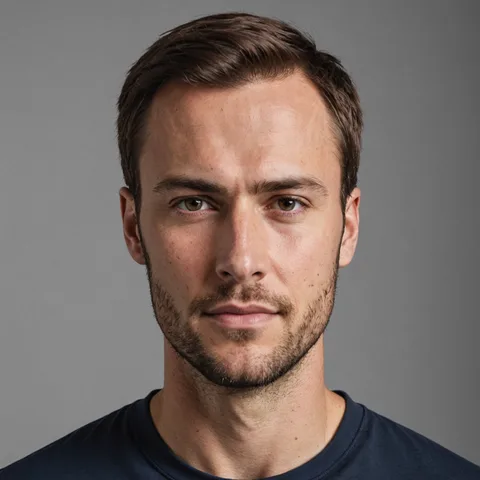
Computational chemist with 8 years of experience in ADMET modeling and generative molecular design. Formerly at a Pittsburgh-based biotech CRO where she built property prediction infrastructure for multiple therapeutic programs.
"We started Nanolix because hit identification is where early drug programs lose years and budget — and the underlying problem is solvable with generative ML. We are computational chemists first."
— Dr. Astrid Holm, CEO & Co-Founder
Our mission: let small biotech teams explore the same breadth of chemical space that large pharma achieves with 50-person chemistry departments. Not by hiring 50 chemists. By building better computational tools.
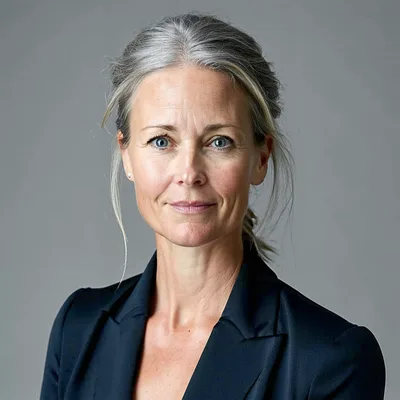
Computational chemist with 8 years of experience in ADMET modeling and generative molecular design. Formerly at a Pittsburgh-based biotech CRO where she built property prediction infrastructure for multiple therapeutic programs.
ML researcher specialized in graph neural networks for molecular property prediction. PhD in computational chemistry from Carnegie Mellon, 2021. Previously built molecular generation models at an independent biotech research lab.
Specialist in multi-objective molecular optimization and synthetic accessibility prediction. Contributed to ChEMBL data pipeline extensions and maintains our synthesis route feasibility model.
Builds the API layer and output pipeline that converts model outputs into chemist-readable packages. Background in bioinformatics tooling and scientific data formats.
Carnegie Mellon's computational biology and ML departments produce the specialized talent that molecular generation models require. The University of Pittsburgh's drug discovery programs keep us close to the medicinal chemistry knowledge that separates useful computational candidates from theoretically interesting ones. The two institutions sit within a few miles of each other — and of our office on Grant Street.
Most biotech hubs have deep capital networks but thin computational chemistry depth. Pittsburgh reverses that: the ML talent pool here is genuinely specialized in scientific ML, not just applied software. That's why both founders trained here and chose to build here rather than relocate to a coast.
Our computational chemists are in every client conversation — not a sales layer. The person who designs the model talks directly with the person running your program. When a prediction is uncertain, you hear that directly from the scientist who ran the analysis, not a filtered summary from an account manager.
We share confidence intervals and known model limitations in every deliverable. If our binding affinity model has poor coverage of your target class, we tell you that. We would rather provide calibrated uncertainty than false precision — wide confidence intervals are honest signal, not a failure to optimize.
We don't build ELN software, discovery platforms, laboratory automation, or informatics infrastructure. We generate hit candidates. Narrow focus means every hour goes into making that one step — hit identification — faster and more reliable. The scope boundary is deliberate: we are not trying to become a full-stack drug discovery platform.
We work with medicinal chemistry teams who want to move fast on a specific target. Tell us about yours. We'll be direct about what we can do and how long it takes.
Get in Touch